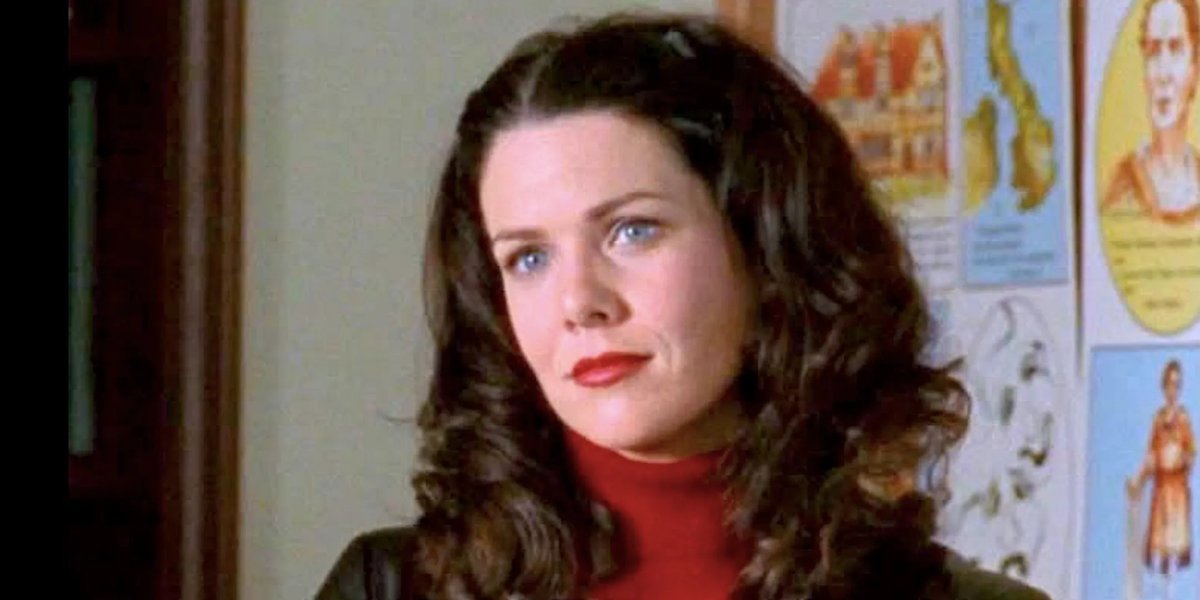
In the cozy, coffee-fueled world of Stars Hollow, relationships are the very fabric of life. But for Lorelai Gilmore, the revival Gilmore Girls: A Year in the Life wasn't just a nostalgic trip; it was a profound journey through her most pivotal connections. Her relationships with Luke, Emily, and Rory didn't just pick up where they left off; they faced the ultimate tests of maturity, grief, and self-discovery, evolving in ways fans both anticipated and couldn't have predicted. This isn't just a story about charming banter; it's about the messy, beautiful work of adult relationships.
At a Glance: Lorelai's Relationship Evolution
- Luke Danes: Their long-term commitment is tested by miscommunication and unspoken desires, leading to a profound understanding and a long-awaited wedding.
- Emily Gilmore: Richard's death becomes a catalyst for a raw, honest reckoning, transforming their complex mother-daughter dynamic into one of mutual respect and redefined boundaries.
- Rory Gilmore: Lorelai grapples with her adult daughter's quarter-life crisis, learning to offer support without solving problems, navigating the challenges of shifting roles.
- Self-Discovery: Lorelai's spontaneous "Wild" trip isn't about running away, but about finding clarity and reaffirming her most important bonds, particularly with Luke and Emily.
- Maturity: The revival showcases Lorelai's growth, embracing imperfection, prioritizing open communication, and accepting the evolving nature of love and family.
The Foundations: Lorelai's World Before the Revival
To truly appreciate Lorelai's journey in A Year in the Life, we need to remember the woman she was and the relationships that defined her for seven seasons. She was the fast-talking, pop-culture-referencing single mom who built her own life from scratch, always fiercely independent yet deeply reliant on her chosen family and, sometimes, her estranged one.
Her bond with Rory wasn't just mother-daughter; it was a friendship, a partnership, almost a symbiotic existence. With Luke, she found her steady, unwavering anchor—the diner owner who knew her coffee order by heart and loved her chaos. And with Emily, her relationship was a constant push-and-pull, a dance between obligation and affection, resentment and undeniable love. These intricate threads were her safety net, her challenges, and her greatest joys.
But life, as Lorelai frequently learned, doesn't stand still.
Luke Danes: A Love Story Grown Up
At the heart of Stars Hollow, and indeed, Lorelai's world, is Luke Danes. Their relationship has always been the cornerstone of the show, a slow-burn romance that fans championed for years. In A Year in the Life, Lorelai and Luke are living together above the diner, seemingly settled into a comfortable domesticity. However, beneath the surface, cracks begin to show, reflecting the silent anxieties that can plague even the strongest long-term partnerships.
The Unspoken Elephant: The Baby Question
The most significant point of contention, subtly introduced in "Winter," is the unspoken desire (or lack thereof) for children. Lorelai, approaching her late 40s, suddenly brings up the idea of having a baby with Luke. It's not a casual suggestion; it's a frantic, almost desperate proposition involving surrogacy, adoption agencies, and even Paris Geller's fertility clinic. This storyline isn't just about whether they have a baby; it's about their communication—or lack thereof—on deeply personal, future-defining issues.
Luke's reaction is hesitant, quiet, and seemingly dismissive. He's content with their life, happy with Rory, and perhaps, realistically, sees the challenges of starting a family at their age. Lorelai interprets his silence as disinterest, further fueling her insecurity and pushing her to make decisions for him rather than with him. This miscommunication highlights a critical challenge for long-term couples: the danger of assuming your partner's thoughts or being afraid to voice your own true feelings.
Therapy, Truths, and the "Wild" Revelation
The baby dilemma, coupled with other minor frictions, brings Lorelai to a pivotal moment: she suggests couple's therapy. Luke, ever the stoic, resists. This leads Lorelai down a path of self-doubt, culminating in her spontaneous decision to "go Wild"—to hike the Pacific Crest Trail as a journey of self-discovery, mirroring the book that inspired her.
While on her aborted "Wild" trip (she doesn't actually hike), Lorelai has a breakthrough. She realizes she doesn't need to change her life by having a baby; she needs to embrace the life she already has, especially with Luke. Her "Wild" journey isn't about finding herself outside of her relationship, but about affirming that her greatest fulfillment is within it. She calls Luke, pouring out her heart, expressing her fear of losing him, and her deep, abiding love. This raw vulnerability is a turning point. It's the moment Lorelai truly accepts and cherishes the love she has, recognizing that sometimes, the biggest adventures are internal. For anyone wondering who Lorelai finally chooses, the answer is unequivocally Luke, cemented by this profound realization.
The Wedding: A Quiet, Perfect Affirmation
The culmination of Lorelai and Luke's journey in A Year in the Life is their impromptu, perfect wedding in the Stars Hollow gazebo. It's not the grand affair Lorelai once dreamed of, but a simple, heartfelt ceremony surrounded by their closest friends. This wedding symbolizes their mature love: less about external validation and more about the quiet, unwavering commitment they share. It's a testament to overcoming hurdles, embracing imperfections, and choosing each other, every single day. Their relationship, in the revival, evolved from comfortable cohabitation to a deeply affirmed, mature partnership built on communication, acceptance, and unconditional love.
Emily Gilmore: Grief, Growth, and a Reimagined Bond
Lorelai's relationship with her mother, Emily Gilmore, has always been the most complicated and emotionally charged dynamic in Gilmore Girls. A push-pull of love, resentment, obligation, and fierce independence, it was rarely easy. A Year in the Life thrusts this relationship into its most challenging phase: the aftermath of Richard Gilmore's death.
The Catalyst of Loss: Richard's Absence
Richard's death is the seismic event that shakes the foundation of the Gilmore family. For Emily, it's the loss of her lifelong partner and the anchor of her identity. For Lorelai, it's a complex mix of grief, relief from past resentments, and a profound realization of her mother's vulnerability. The immediate aftermath is fraught with tension, particularly during the wake where Lorelai's "tribute" to her father falls spectacularly flat. This early scene sets the tone: grief doesn't magically resolve old wounds; it often amplifies them before healing can begin.
Therapy and Unfiltered Truths
Just as with Luke, Lorelai suggests therapy with Emily, albeit reluctantly. These sessions become a space for raw, unfiltered honesty. Lorelai eventually, and with great difficulty, articulates her childhood feelings of suffocation and emotional distance from her mother, a truth she's never fully verbalized to Emily's face. Emily's reaction, predictably, is hurt and anger. Yet, this painful confrontation is precisely what's needed. It's a painful clearing of the air, allowing deep-seated resentments to finally surface.
The therapy scenes are crucial because they show that true reconciliation isn't always gentle. Sometimes, it requires speaking uncomfortable truths, even if it causes temporary pain. It's about acknowledging past hurts so that a new foundation can be built.
Emily's Metamorphosis: Beyond Tradition
Richard's death doesn't just impact Lorelai and Emily's dynamic; it sparks a profound transformation in Emily herself. She sells the sprawling Hartford mansion, purging years of accumulated possessions ("It's just stuff!"), sheds her traditional lifestyle, and moves to Nantucket. There, she starts volunteering at a museum, finding purpose and passion outside of her previous socialite existence. She even gives up her DAR membership, a clear rejection of the societal expectations that once defined her.
This radical shift allows Emily to become a more independent, self-actualized woman. It demonstrates that grief, while devastating, can also be a catalyst for profound personal growth and the forging of a new identity.
The "House" Conversation: A Breakthrough Moment
A pivotal moment between Lorelai and Emily occurs when Lorelai calls Emily from the "Wild" trail. Lorelai recounts a story about a house that she and Richard once bid on, a story of connection and shared dreams, and a moment where her father truly saw her. It’s a moment of vulnerability and tenderness, not of anger or resentment. Emily’s quiet, emotional reaction on the other end of the line signals a profound shift.
This conversation isn't about the house itself; it's about Lorelai finally sharing a tender, cherished memory of her father with her mother, acknowledging their shared loss and the complexities of their family history. It’s an olive branch, a moment of deep connection that transcends their usual arguments. It represents a new paradigm for their relationship: one built on mutual understanding, respect for their individual paths, and the acceptance of each other's flaws. By the end of A Year in the Life, Lorelai and Emily don't have a perfect relationship, but they have one that is more honest, more respectful, and ultimately, more loving.
Rory Gilmore: Navigating the Mother-Daughter Evolution
Lorelai's bond with Rory has always been the core of Gilmore Girls. They were more than mother and daughter; they were best friends, confidantes, and partners in crime. However, A Year in the Life finds them at a crossroads, where Rory's own quarter-life crisis forces Lorelai to redefine her role and adapt to the complexities of an adult child's life.
Rory's Lost Compass: The Millennial Stumble
At 32, Rory is successful by some metrics (published articles, a potential book deal) but undeniably adrift. She's unemployed, sleeping on various couches, secretly having an affair with an engaged Logan, and struggling to find her footing in a competitive world. This "lostness" is difficult for Lorelai to witness. Her instinct has always been to fix things for Rory, to be her unwavering cheerleader and problem-solver. But adult problems don't have simple solutions, and Rory's struggles are hers to navigate.
Lorelai's primary challenge in "Winter" and "Spring" is figuring out how to support Rory without enabling her, how to offer guidance without overstepping, and how to watch her daughter stumble without rushing to catch her. This is a common struggle for parents of adult children: learning when to step back and allow them the space to figure things out for themselves, even if it's painful to watch.
The "Rory Book" Conflict: Creative Clashes
The most direct conflict between Lorelai and Rory arises from Rory's decision to write a book about their life, provisionally titled "The Gilmore Girls." Lorelai is initially horrified. She feels betrayed, exposed, and that Rory is infringing on her privacy and narrative. Their sharp exchange in the diner highlights the tension between Rory's artistic ambition and Lorelai's need for personal boundaries.
This argument isn't just about a book; it's about Lorelai realizing Rory is an adult with her own creative path, separate from Lorelai's. Lorelai eventually, albeit reluctantly, comes around. Her support, though initially hesitant, underscores a mature understanding: even when she doesn't fully agree, she will ultimately stand by her daughter. This shift shows Lorelai learning to compartmentalize her personal feelings from her unwavering love and support for Rory's aspirations.
The "Life and Death Brigade" and Lorelai's Reaction
When Rory disappears for a night with the Life and Death Brigade in "Summer," Lorelai is visibly worried and frustrated. Her reaction isn't just maternal concern; it's a reflection of her own fears about Rory's direction and choices. She sees Rory making decisions that seem reckless or unproductive, and it forces Lorelai to confront her own anxieties about her daughter's future.
Ultimately, Lorelai's relationship with Rory in A Year in the Life evolves into one of more clearly defined adult boundaries. Lorelai understands that she can no longer be Rory's best friend and primary problem-solver. She learns to be a supportive mother who respects her adult daughter's autonomy, even when that autonomy leads to confusing or messy places. The dynamic becomes less about shared experiences and more about individual journeys, with love as the constant connective tissue.
The "I Need to Go 'Wild'" Moment: A Journey of Self-Discovery
Lorelai's impulsive decision to embark on a "Wild" journey isn't a whimsical escape; it's the culmination of her anxieties, insecurities, and the feeling that something fundamental is missing from her life. It's her personal crisis, a need to gain clarity and recalibrate.
The Impetus: A Feeling of Emptiness
As she tells Luke, she feels "lost." Despite having the love of her life, a successful inn, and her daughter back in Stars Hollow, a profound sense of incompleteness gnaws at her. The baby question with Luke, the lingering tension with Emily, and Rory's struggles all contribute to this feeling. Lorelai, ever the doer, believes a grand gesture, a physical challenge, will provide the answers.
This "Wild" moment isn't about running away from her relationships but about understanding her place within them. It’s a classic Lorelai move: chaotic, ill-prepared, but driven by a genuine, if unarticulated, need for self-reflection.
The Realization: Clarity Without the Hike
The irony of Lorelai's "Wild" journey is that she doesn't actually hike the Pacific Crest Trail. She buys all the gear, arrives at the trailhead, and promptly bails. But it's in that moment of quitting, sitting by the side of the road, that she experiences her breakthrough. She realizes the answers she sought weren't on a mountain path but deep within her, and within the relationships she already had.
Her impromptu phone call to Luke, where she confesses her deep love and fear of him leaving, is a pivotal moment of vulnerability and clarity. Similarly, her call to Emily, recounting the story of the house with Richard, is a profound gesture of reconciliation and understanding. These two calls signify that her journey wasn't about finding something new, but about appreciating and reaffirming the profound bonds she already possessed. Her self-discovery leads her back to the people who truly matter, with a renewed sense of purpose and gratitude.
The Power of Mature Love: What Lorelai's Relationships Teach Us
Gilmore Girls: A Year in the Life serves as a powerful testament to the evolution of relationships in adulthood. Lorelai's journey highlights several crucial lessons about mature love and family bonds:
- Embracing Imperfection: No relationship is perfect, and Lorelai's certainly aren't. Her journey with Luke shows that even strong, committed couples face communication challenges and unspoken fears. Her bond with Emily proves that deep-seated family issues require consistent, sometimes painful, effort to resolve. Maturity isn't about eradicating problems but about facing them head-on with honesty and commitment.
- The Importance of Communication: Lorelai's initial struggles with Luke and Emily often stemmed from a lack of direct, honest communication. Her breakthroughs, particularly her phone calls from "Wild," demonstrate that vulnerability and clear expression of feelings are essential for deepening connections and resolving long-standing issues.
- Growth Through Shared Experience: Richard's death, while devastating, forced Emily and Lorelai into a new phase of their relationship. Shared grief, difficult conversations, and watching each other adapt to significant life changes fostered a new mutual respect that wasn't possible before.
- Redefining Family Bonds: The revival shows that family dynamics are fluid. Lorelai and Rory's relationship shifts from an almost co-dependent friendship to one where Lorelai must respect Rory's adult autonomy. Emily's transformation highlights that individuals, even in their later years, can redefine their identities and, by extension, their place within the family structure. Lorelai's understanding of family expands to encompass these evolving roles and identities.
Common Questions About Lorelai's Love Life in AYITL
Fans often have lingering questions about Lorelai's relationship choices and developments in the revival. Here are some clarifications:
Did Lorelai and Luke ever break up in AYITL?
No, Lorelai and Luke do not formally break up in A Year in the Life. While they experience significant tension and a period of miscommunication, Lorelai's "Wild" trip is a personal journey, not a separation from Luke. Her realizations during that trip ultimately lead to a deeper affirmation of their commitment and their eventual wedding.
Was Lorelai truly happy with Luke at the start of AYITL?
Lorelai certainly loved Luke and was committed to him. However, the revival suggests a subtle undercurrent of dissatisfaction or a feeling of incompleteness that she couldn't quite name. Her sudden obsession with having a baby, despite her age and prior decisions, and her need to "go Wild," point to an internal struggle even within her loving relationship with Luke. By the end, through communication and self-reflection, she finds a profounder, more settled happiness.
How did her relationship with Emily change permanently?
The death of Richard and the subsequent therapy sessions led to a breakthrough in Lorelai and Emily's relationship. Emily's radical life changes (selling the mansion, moving to Nantucket, volunteering) and Lorelai's willingness to share deep, personal feelings, particularly the story about the house, forged a new foundation. Their relationship moved from one largely defined by obligation and resentment to one of genuine, if still imperfect, mutual respect and understanding. It's a relationship that finally operates on more adult terms, with fewer expectations and more acceptance.
What about Rory's "life-altering" news and Lorelai's role?
The famous "final four words" reveal Rory is pregnant. While Lorelai's immediate reaction is not shown, this news positions her to become a grandmother, bringing her full circle from her own experience as a young mother. It fundamentally shifts her relationship with Rory from a parent of an adult child to a grandparent, a new phase that promises both joy and potential complexities, mirroring her own journey. Her role will likely evolve to provide support and guidance as Rory navigates motherhood, perhaps differently than Emily navigated it with Lorelai.
The Unspoken Echo: Lorelai's Future, Post-AYITL
By the time the credits roll on "Fall," Lorelai Gilmore is in a different place than where she started. She's married to Luke, a union that feels more solid and profound than ever. Her relationship with Emily is on a new, healthier trajectory. And while Rory's future is uncertain, Lorelai has learned to navigate her daughter's independent path with grace and unwavering love.
The revival doesn't offer neat, tidy answers to every question, especially regarding Rory's storyline. Instead, it leaves Lorelai in a state of quiet contentment, having weathered personal storms and come out stronger. Her relationships have been tested, broken, and painstakingly rebuilt, emerging as more authentic, resilient, and deeply meaningful. She has embraced her life, not just as it is, but for all its beautiful imperfections.
Beyond the Last Scene: Continuing the Conversation
Lorelai's journey through A Year in the Life isn't just about her; it's a mirror reflecting universal truths about family, love, and the challenges of growing up, even when you're already grown. Her experiences remind us that relationships, even the most cherished ones, require continuous effort, open communication, and the courage to face uncomfortable truths.
What resonated most with you about Lorelai's evolving relationships? Did her journey offer you new perspectives on your own family dynamics or long-term partnerships? The magic of Stars Hollow endures because its characters, especially Lorelai, offer us profound insights into the messy, beautiful reality of human connection. The conversation, much like the Gilmore Girls themselves, is far from over.